- Website cost is decided mainly by the type of site, the number of pages, how custom the design is, the features it needs and who writes the content.
- A simple brochure site, a lead-generation site, an online store and a web app are four very different jobs, so their costs are not comparable.
- Ongoing costs matter too: domain, hosting, plugin or app licences, updates, backups and security.
- Compare quotes line by line: pages, design, content, SEO setup, tracking, training and support after launch.
What decides the cost of a website
The cost of a website is decided by the work and the tools needed to build it. The biggest factors are the type of website, the number of pages, how custom the design is, the features and integrations, the platform, and who creates the content. When two quotes look far apart, they are usually quoting for different amounts of these things.
So the first step is not asking "how much?" but writing down what the site must do for your business. A clear brief gets you quotes you can actually compare.
This is the same checklist we use at Amax Agency in Goregaon East when we scope a website for a Mumbai business.
The type of website changes everything
Most business websites fall into one of four types, and each is a different size of job:
- Brochure site: a few pages that explain who you are, what you do and how to contact you.
- Lead-generation site: service pages and landing pages built to turn visitors into enquiries, with forms, WhatsApp buttons and call tracking.
- E-commerce store: product catalogue, cart, payment gateway, shipping and order management, usually on Shopify or WooCommerce.
- Web app or portal: logins, dashboards, bookings or custom workflows. This is software development, not just a website.
A Goregaon clinic that needs appointment enquiries and a D2C brand selling across India are not buying the same product, even if both call it "a website".
Number of pages and who writes the content
More pages mean more design, writing, images and testing. A five-page site and a forty-page site with separate pages for every service and location are very different projects.
Content is the cost most people forget. If you supply final text and good photos, the job is smaller. If the agency writes the copy, plans SEO keywords, shoots photos or makes videos, that work is part of the quote. Content written for search and AI answers usually takes longer than the design.
Template design vs custom design
A template or theme gives you a ready-made layout that is adjusted with your logo, colours and content. It is faster and cheaper, and it is fine for many small businesses.
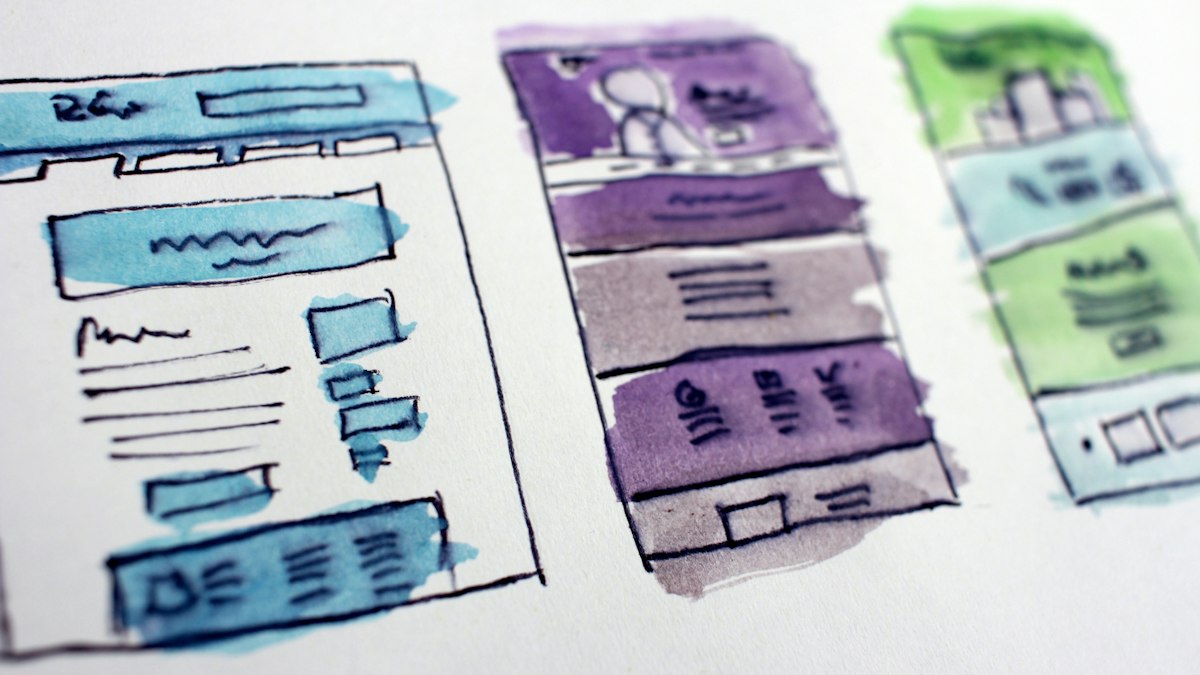
A custom design is planned around your brand and your buyers: wireframes, page layouts, mobile screens and design rounds before anything is built. It costs more, but it can stand out from competitors and is built around how your customers make decisions.
Ask each agency which one they are quoting. Many low quotes are a template; many high quotes include a full design process.
Features and integrations
Every feature adds build and testing time. Common ones that change the cost:
- Enquiry forms connected to a CRM, Google Sheets or email
- WhatsApp chat buttons and click-to-call
- Booking or appointment systems
- Payment gateways such as Razorpay, PayU or Stripe
- Multiple languages, for example English, Hindi and Marathi
- Blog, case studies or a property or product catalogue with filters
- Tracking: Google Analytics 4, Meta Pixel and conversion events for ads
Tracking is worth paying for if you will run ads. Without it, you cannot tell which campaign brought which lead.
WordPress, Shopify or custom code
The platform affects both the build cost and what you pay every year. WordPress is flexible and good for content-heavy and lead-generation sites. Shopify is built for selling online and handles payments, stock and orders, but it has a monthly plan and some paid apps. Custom-coded sites suit unusual features or very high traffic, but every change later needs a developer.
Choose the platform for how you will run the site after launch, not just for the launch day.
The costs that come after launch
A website is not a one-time cost. Plan for these every year:
- Domain renewal and business email
- Hosting, which matters for speed
- Paid themes, plugins or Shopify apps
- Security, backups and software updates
- Small content changes and new pages
- SEO and content work if you want to be found on Google and in AI tools like ChatGPT
A cheap site with slow hosting and no updates often costs more later, through lost enquiries or a rebuild.
How to compare website quotes fairly
Put every quote side by side and check that each one covers the same things. Use this table as a checklist:
| Check | What to ask |
|---|---|
| Pages | Exactly which pages are included? |
| Design | Template or custom? How many design rounds? |
| Content | Who writes the text and supplies photos? |
| Mobile and speed | Is it tested on phones and checked for loading speed? |
| SEO setup | Titles, descriptions, sitemap, schema and Google Search Console? |
| Tracking | Analytics, Meta Pixel and enquiry tracking set up in your own accounts? |
| Ownership | Will the domain, hosting and logins be in your name? |
| After launch | Training, support period and the cost of later changes? |
The cheapest quote is often missing two or three of these lines.